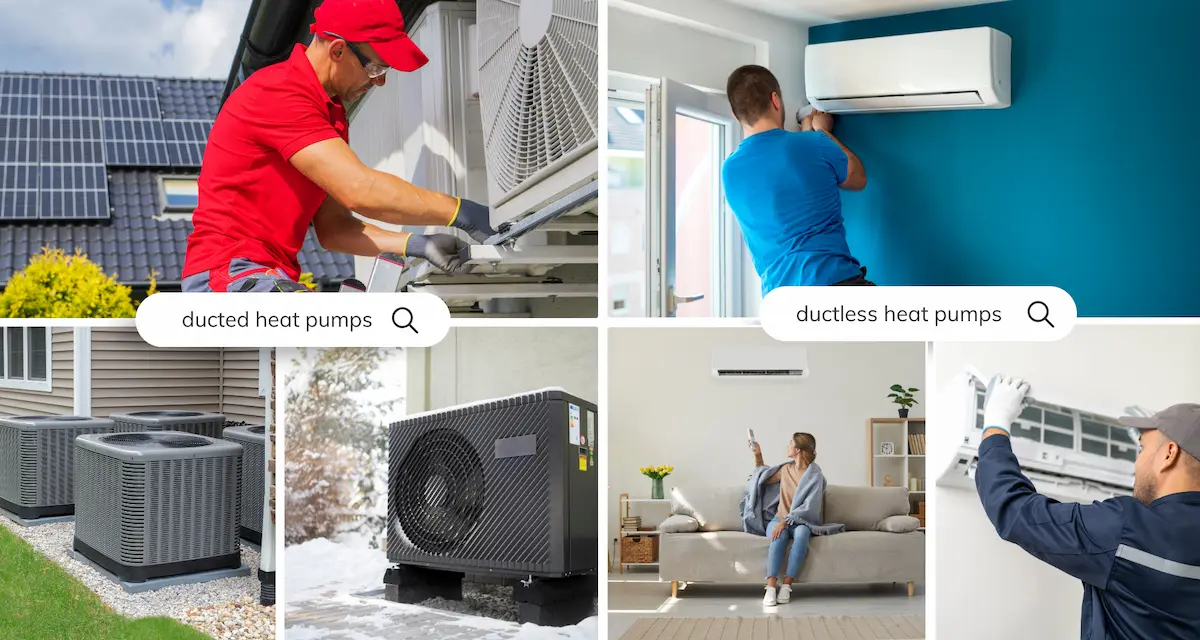
Today, we’re going to look at the two main types of heat pump systems you might consider for your home: ducted vs ductless heat pumps.
And we’re going to answer the top 8 questions most Ontario homeowners have:
- How do heat pump systems work? Are they heating or cooling systems?
- Are heat pumps more efficient than traditional HVAC units?
- What are ducted heat pumps and what are their pros and cons?
- What are ductless heat pumps and what are their pros and cons?
- Are ducted or ductless heat pumps more efficient?
- Which is cheaper, a ducted or ductless heat pump?
- Do I need a backup heating system if I have a heat pump system?
- Which system is better – ducted or ductless?
If you’re already familiar with exactly how heat pumps work then feel free to skip ahead to whichever question is most relevant to you.
But if you’re not sure exactly what a heat pump is or you don’t quite understand how they work, then let’s back up a minute and I’ll break down exactly why so many people are choosing to install heat pumps in their homes in Ontario.
Heat pumps, while not a new technology, are gaining in popularity these days for a few reasons. First, they tend to be more efficient than traditional HVAC units. Second, they are more environmentally friendly and can help you reduce your carbon footprint.
In Ontario, they cannot entirely replace your furnace, but they can greatly reduce the use of it reserving it only for the coldest days of winter. This can extend the life of your furnace by a considerable amount. On the cooling side, it completely replaces the need for an air conditioner.
1. How do heat pump systems work? Are they heating or cooling systems?
A heat pump is a very efficient system used for BOTH heating and cooling homes. It operates on a simple principle: moving heat from one place to another.
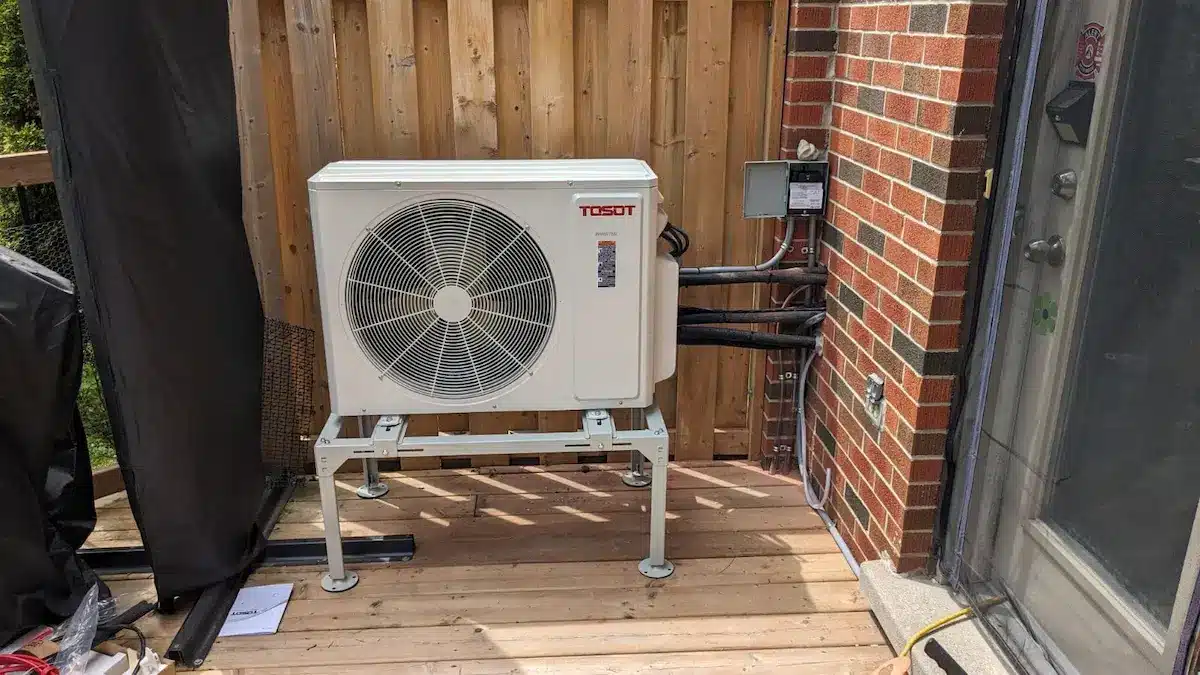
During the winter, the heat pump extracts heat from the outside air—even cold air contains some heat—and transfers it inside your home. Then, in the summer, it reverses the process, acting like an air conditioner by removing heat from your home and releasing it outside.
Please, Explain it Like I’m Five
Imagine you’re using a sponge to soak up water from one bucket and squeeze it out into another. A heat pump works under a similar principle, but instead of water, it “soaks up” heat. It collects heat from the air at one location (thanks to the evaporator), “squeezes” it (via the compressor) to the right temperature, and then releases it where it’s needed (through the condenser).
By using a cycle of compression and evaporation, heat pumps can efficiently maintain your home at a comfortable temperature, whether it’s bringing warmth inside during the cold months or removing heat during the hot months.
It’s important to note that with a heat pump you don’t need a dedicated air conditioner anymore. The heat pump is your A/C.
2. Are heat pumps more efficient than traditional HVAC units?
Yes, generally heat pumps are more efficient. Because of the way heat pumps move heat compared to traditional units, it makes them inherently more energy efficient.
Not only are they more efficient, which can lead to potential long-term energy savings, they are also much better for the environment and will help you reduce your carbon footprint.
3. What are ducted heat pumps and what are their pros and cons?
The most common type is the air-source heat pump. There are also ground source heat pumps, water source heat pumps and exhaust air heat pumps. Either way, ducted heat pumps need ducts inside the home to work.
Ducted heat pumps are often used in larger homes and buildings where consistent heating and cooling throughout multiple rooms is needed. They utilize a network of ducts hidden behind walls and ceilings to distribute air. This system is especially beneficial if you already have existing ductwork from an older central heating or air conditioning system.
Newer homes, especially ones built since the 1980s, are more likely to have existing ductwork already. Older homes, especially ones in cities like Toronto and Hamilton, are less likely to have existing ductwork. We’ll get to those differences later on and when it’s best to go ducted over ductless or vice versa.
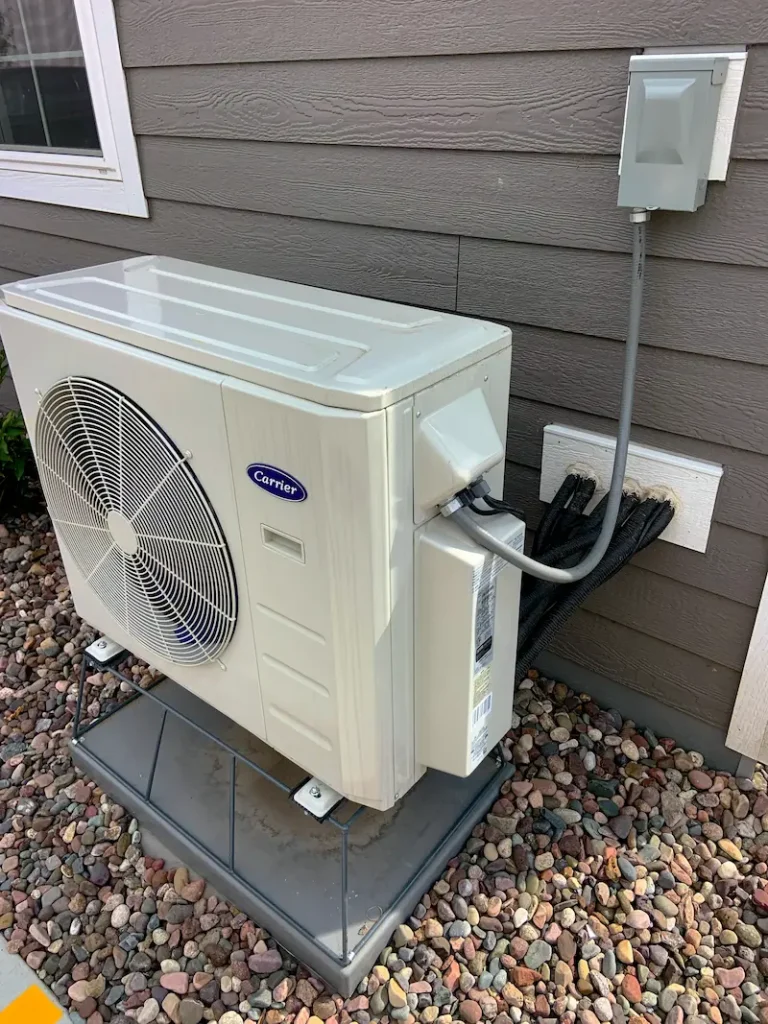
How do Ducted Heat Pumps Work?
Ducted heat pump systems work by drawing in air from your home, passing it through an air handler where it gets heated or cooled, and then redistributing the conditioned air through ducts.
Here’s a step-by-step look at the process:
- Air Intake: Air from inside your home is drawn into the system through return air ducts.
- Heating/Cooling: The indoor air handler (that big metal box) adjusts the temperature of the air. This is where the heat pump’s refrigerant captures or releases heat, depending on the season.
- Air Distribution: The newly heated or cooled air is sent back into the rooms of your house through a series of ducts and vents.
This continuous cycle ensures that your entire home maintains a consistent temperature, providing comfort no matter which room you’re in.
What Are the Pros of Ducted Heat Pumps?
- Efficient Whole-Home Comfort: Ducted systems are excellent at maintaining a consistent temperature across large spaces.
- Air Quality Control: These systems often come with filters that purify the air, reducing allergens and improving indoor air quality.
- Invisibility and Silence: With the main components hidden away and centralized, ducted systems are unobtrusive and quieter than many standalone units.
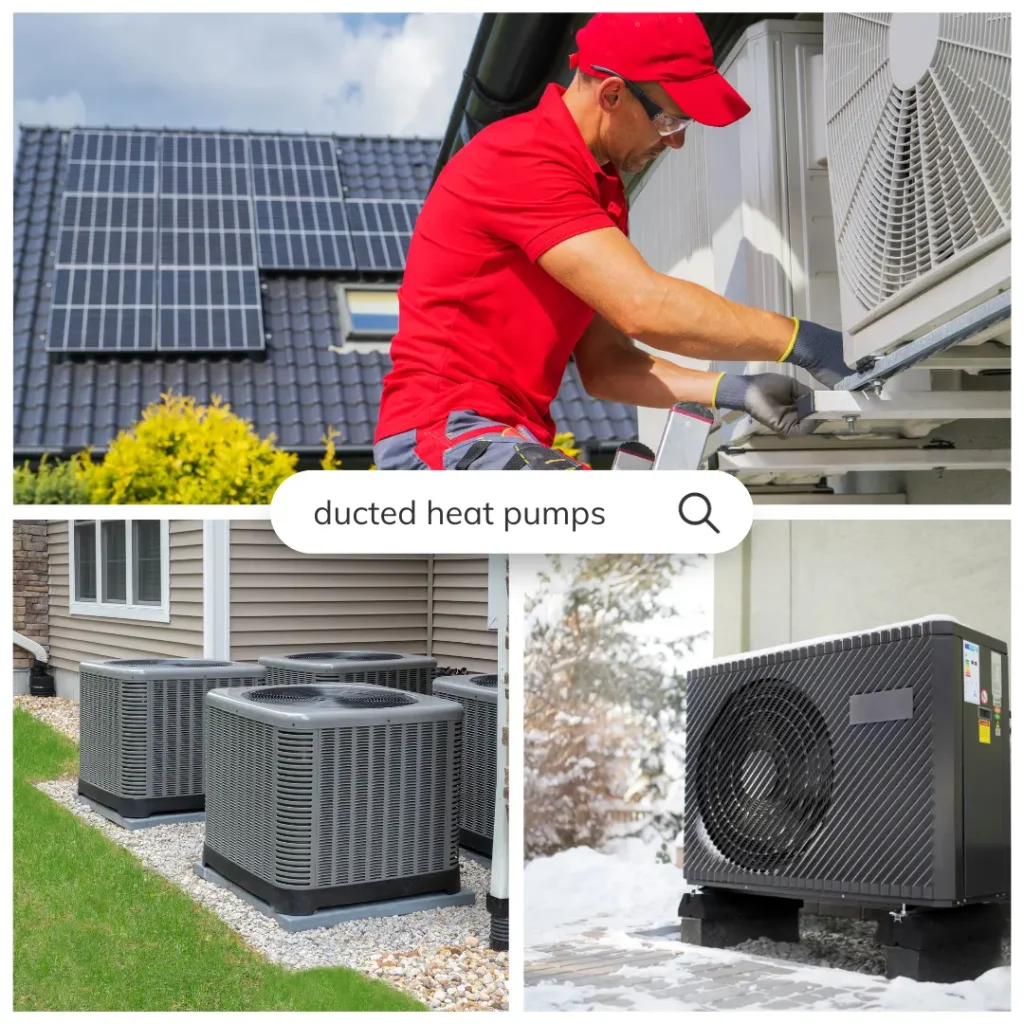
What Are The Cons of Ducted Heat Pumps?
- Higher Initial Installation Cost: If your home does not have existing ductwork, installing a ducted system can be invasive and expensive.
- Maintenance Needs: Ductwork requires regular cleaning and maintenance to ensure efficiency and prevent air quality issues.
- Energy Loss: Some energy can be lost through the ducts, especially if they are not well-insulated or if leaks develop.
4. What are ductless heat pumps and what are their pros and cons?
Ductless heat pumps, often referred to as mini-split systems, consist of an outdoor unit connected to one or more indoor units via small pipes. These systems do not require ductwork, making them suitable for adding heating and cooling to spaces where extending or installing ducts is impractical or too costly.
How Ductless Heat Pumps Work
Ductless systems are straightforward and provide direct heating and cooling to specific areas. Here’s how they work:
- Outdoor Unit: This houses the compressor, condenser, and expansion valve. It’s installed outside and is responsible for expelling heat during the cooling mode and extracting heat from the outdoor air in heating mode.
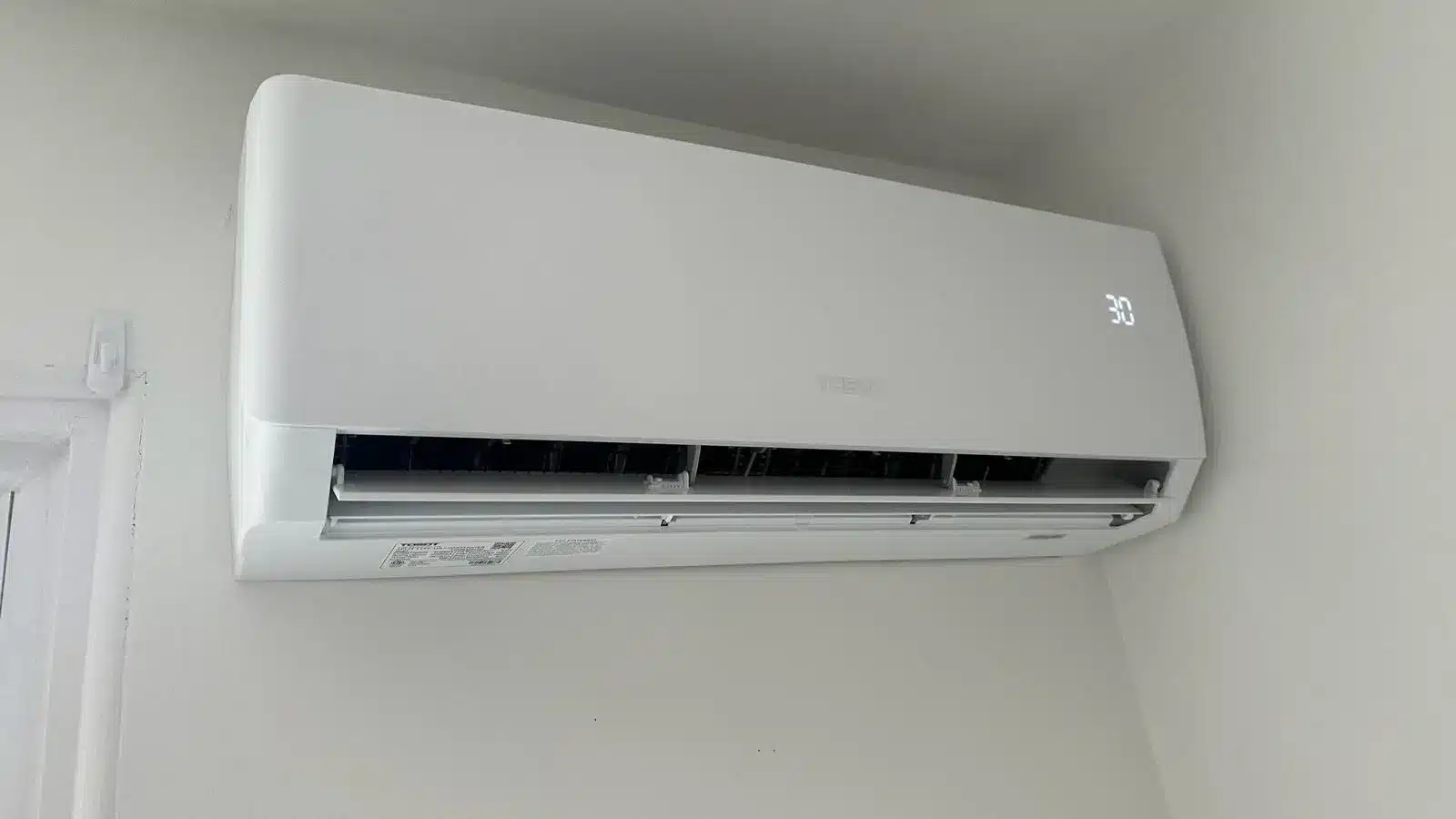
- Indoor Units: Often referred to as “evaporator heads”, these are installed in various rooms or zones in your home.
- Connection: Refrigerant lines connect the outdoor and indoor units, circulating refrigerant that absorbs and releases heat as needed.
When most people of think ductless heat pump systems, they think of the indoor units (evaporator heads) that can be controlled independently. This allows for personalized temperature settings in different rooms or areas, a feature known as “zoning”.
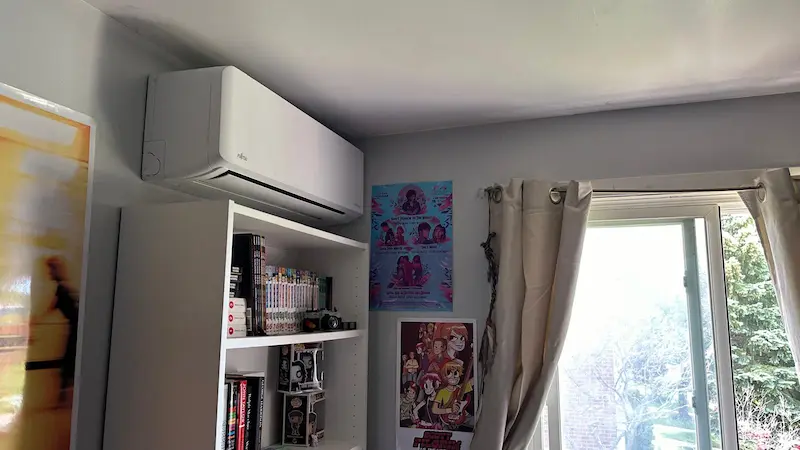
Pros of Ductless Heat Pumps
- Flexible Installation: Ductless systems can be installed in a variety of settings without the need for major renovations.
- Energy Efficiency: Because they don’t use ducts, there’s no risk of energy loss associated with duct leakage, which is common in ducted systems.
- Individual Zoning: Allows for the temperature of each room to be controlled separately, which can lead to energy savings and enhanced comfort.
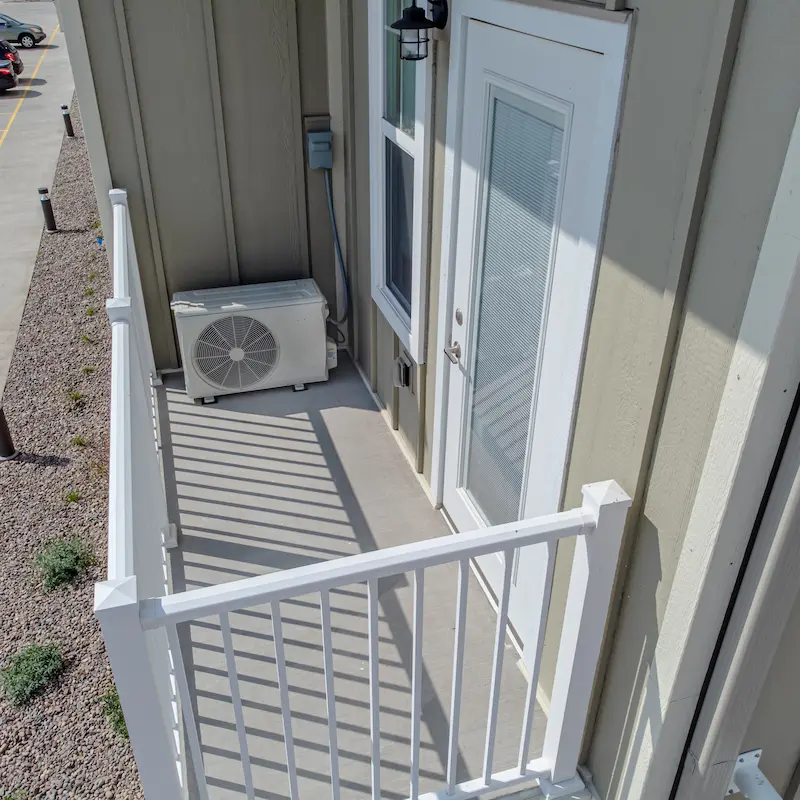
Cons of Ductless Heat Pumps
- Higher Cost per Unit: While the overall installation might be cheaper than retrofitting ductwork, the cost per indoor unit can be higher, especially if multiple units are needed.
- Aesthetic Impact: Indoor units are visible and may not blend seamlessly into every decor.
- Maintenance: Each indoor unit requires regular maintenance, and failure to maintain can result in decreased efficiency and performance.
5. Are ducted or ductless heat pumps more efficient?
The short answer: ductless.
The longer answer: it depends.
It really comes down to the specific installation, the condition of the ductwork (if present), and the individual needs of the space being conditioned.
However, generally speaking, ductless heat pumps are often considered more efficient than traditional ducted systems for a few key reasons:
a. Lack of Ductwork
Ductless systems do not require ductwork, which eliminates the potential for energy losses associated with ducts. In ducted systems, some of the heat or cool air can be lost through leaks, holes, or poorly insulated ducts. It’s estimated that duct losses can account for more than 30% of energy consumption, especially if the ducts are in an unconditioned space like an attic or basement.
b. Zoned Heating and Cooling
Ductless systems allow for zoned heating and cooling because they use individual indoor units in each room or area. Each zone can be controlled independently, which means you only need to heat or cool rooms that are in use, leading to better efficiency and reduced energy consumption. In contrast, ducted systems typically heat or cool the entire home to the same temperature, which can be less efficient if not all spaces are in use.
c. Inverter Technology
Many ductless systems are equipped with inverter-driven compressors that adjust their speed based on the demand. This allows them to operate continuously by adjusting their capacity as needed rather than turning on and off completely. This not only reduces energy spikes associated with the startup of traditional HVAC systems but also improves the overall efficiency of the system. While some modern ducted systems also feature inverter technology, it is more common and inherently efficient in ductless systems.
d. Installation and Retrofitting
Ductless systems are typically easier and less invasive to install, especially in older homes or buildings that were not originally designed with ductwork. To install a ducted system instead, it can be disruptive and costly. It can also potentially lead to less than optimal duct layout which can affect efficiency.
For general energy-saving tips, visit the IESO website.
6. Which is cheaper, a ducted or ductless heat pump?
The short answer: ductless.
The long answer: it depends again.
Which one is cheaper really depends on a few factors like installation, maintenance and operating costs.
Do you already have existing ductwork? Is your home very large? Then it’s much more likely it would be more cost effective to go with a ducted heat pump system.
Do you not have existing ductwork? Is the home smaller? Do you only need to heat/cool an addition? Then it’s going to make much more sense to go ductless.
Overall, the installation costs of ductless are going to be lower assuming no existing ductwork, but if you have a larger space it may cost much more to heat/cool that space with the same system.
Need help from the pros?
If you're reading this post and have questions then reach out to get them answered by our family-owned and operated team. We can answer your questions and arrange a free, no-obligation quote at any time.
7. Do I need a backup heating system if I have a heat pump system?
If you live in Ontario, then yes, both ducted and ductless heat pump systems will still require a backup in place for the coldest parts of winter.
In Ontario, it’s recommended to set up a hybrid heating system. This is a system where the heat pump is used as the primary heating and cooling system, but a gas or electric furnace kicks in during extremely cold conditions when the heat pump might be less efficient.
The good news is that heat pump systems can handle very cold temperates and are very efficient, so there shouldn’t be too many days where the backup system has to kick in, but it’s still crucial to have. During warmer winters, you may not even have the backup kick in at all. This should help you save on utility costs in the long run, help you reduce your carbon footprint and help extend the life of your backup furnace unit.
You also have different options when it comes to a backup system to help save you money. One of our licensed technicians can help you better understand what’s best in your specific situation.
8. Which system is better – ducted or ductless?
As you may have guessed: it depends.
It’s really going to depend on your specific scenario. So, let’s break the distinction down even further to help you decide which is best suited for your home.
As mentioned, ducted systems are ideal for larger homes with existing ductwork, offering efficient, whole-home comfort. On the other hand, ductless systems offer a versatile and efficient solution for homes without ducts, additions, or specific rooms that require independent temperature control.
Keep this page and table of differences handy during your research:
How to Choose Between Ducted vs Ductless Heat Pumps
Here are a couple of examples where different families chose one system over the other, based on their unique living situations and comfort needs.
Scenario 1: Upgrading in a New Family Home
The Cairney family recently purchased a large, two-story home that had an outdated heating system. The house already had existing ductwork that was in good condition. Considering the size of the home and the need for consistent temperature control in multiple rooms, they opted for a ducted heat pump system. This choice allowed them to use the existing infrastructure, minimizing installation costs and disruption, while providing efficient, uniform heating and cooling throughout the house.
Scenario 2: Downsizing to a Smaller, Older Home
Linda and Tom recently downsized to a smaller, single-story home after their children moved out. The house came with an outdated and inefficient central heating and cooling system. Considering the layout and their specific needs, they decided against upgrading the old central system and instead opted for a ductless mini-split system for the entire house.
This choice allowed them to install individual units in each room, which was cost-effective since they could cool or heat only the rooms they used, rather than the entire house. The installation was less invasive, without the need for extensive ductwork, and it provided them with the flexibility to control temperatures in different zones, enhancing comfort and reducing energy costs.
Which one will you choose?
If you need help determining which heat pump system is right for you or if you should choose one over a traditional HVAC system, feel free to leave a comment below or contact us directly.
Our licensed technicians can stop by to give you a free, no-obligation quote to see what would be the right fit for you and your needs.