Many people that are looking to upgrade their cooling systems are now considering replacing their air conditioner with a heat pump instead.
Heat pumps offer efficient heating and cooling in one unit, making them an attractive alternative to traditional AC systems. By switching to a heat pump, you can potentially save big on energy costs while maintaining comfortable temperatures year-round with a single thermostat.
Keep reading to discover why replacing an air conditioner with a heat pump might be the smart choice for your home.
Air Conditioners vs Heat Pumps
First, it’s important to understand the difference between air conditioners and heat pumps. While they both cool homes, they operate quite differently.
Air conditioning systems use refrigerant to remove heat from indoor air and expel it outside. Heat pumps, on the other hand, can both cool and heat by reversing the flow of refrigerant.
These systems extract heat from the outdoor air and transfer it inside to maintain comfortable temperatures even during winter. During summer, the process reverses: the system extracts heat from indoor air and transfers it outside, similar to a refrigerator. This dual functionality is powered by electrical wiring that runs the compressor and fans.
What are the Benefits of Switching from an ac unit to a Heat Pump?
One of the biggest benefits of switching to a heat pump is that they typically use less energy than traditional air conditioners. They can maintain comfortable temperatures year-round without relying on separate heating and cooling systems.
By switching from central air to a heat pump you can experience significant long-term cost savings. And because heat pumps provide both heating and cooling, this dual functionality can lead to lower energy bills.
Let’s take a look at some other benefits.
heat pumps are better at controlling humidity than air conditioners
Both systems control indoor humidity levels very well. However, heat pumps often provide better humidity management, creating a more comfortable environment. This is really beneficial in places with high humidity like the Greater Toronto region. Heat pumps also improve indoor air quality by constantly circulating and filtering air.

heat pumps are more flexible
Installation requirements also vary between the two. Air conditioners usually need ductwork to distribute cool air throughout a home. However, heat pumps can use not only existing duct, but also come in ductless versions, offering more flexibility for homes without built-in air distribution systems.
heat pumps are much better for the environment
Heat pumps offer a climate-friendly alternative to traditional air conditioning units, reducing carbon emissions and energy consumption.
With rising energy prices and climates, heat pumps provide an effective solution for people looking to maintain comfort while minimizing their environmental impact.
What are the Costs of Replacing a Central AC Unit with a Heat Pump?
Now that we’ve looked at the main reasons why people are choosing to replace their air conditioner with a heat pump system, let’s take a look at a few more important questions.
The first question we typically get from customers is – how much do heat pumps cost?
Replacing a central AC unit with a heat pump typically costs between $5,000 and $8,000. This price includes the removal of the old system, installation of the new heat pump, and any necessary modifications to existing ductwork or electrical systems. The cost can vary based on a few different factors in your specific home, so it’s always best to have someone provide an accurate assessment for you before deciding to move forward.
While the initial investment may at times be higher than replacing a central AC unit alone, the dual functionality of heating and cooling often proves more cost-effective over time.
Need help from the pros?
If you're reading this post and have questions then reach out to get them answered by our family-owned and operated team. We can answer your questions and arrange a free, no-obligation quote at any time.
Are There Still Tax Credits and Incentives For New Heat Pumps in ontario?
Unfortunately, the main Canadian federal rebate program ended in early 2024. However, you can check on current availability of home improvement upgrades through the Canada Greener Homes Initiative and potential heat pump rebates through Enbridge’s Home Efficiency Rebate Plus program.
While these rebates are not as generous as before, they can still provide long-term savings for homeowners.
Is it possible to upgrade my ac to a heat pump by only replacing the outside unit?
No.
Upgrading an air conditioning system to a heat pump by only replacing the outside unit is not typically recommended. While the outdoor components of both systems may look similar, heat pumps require specific internal components to function properly in both heating and cooling modes.
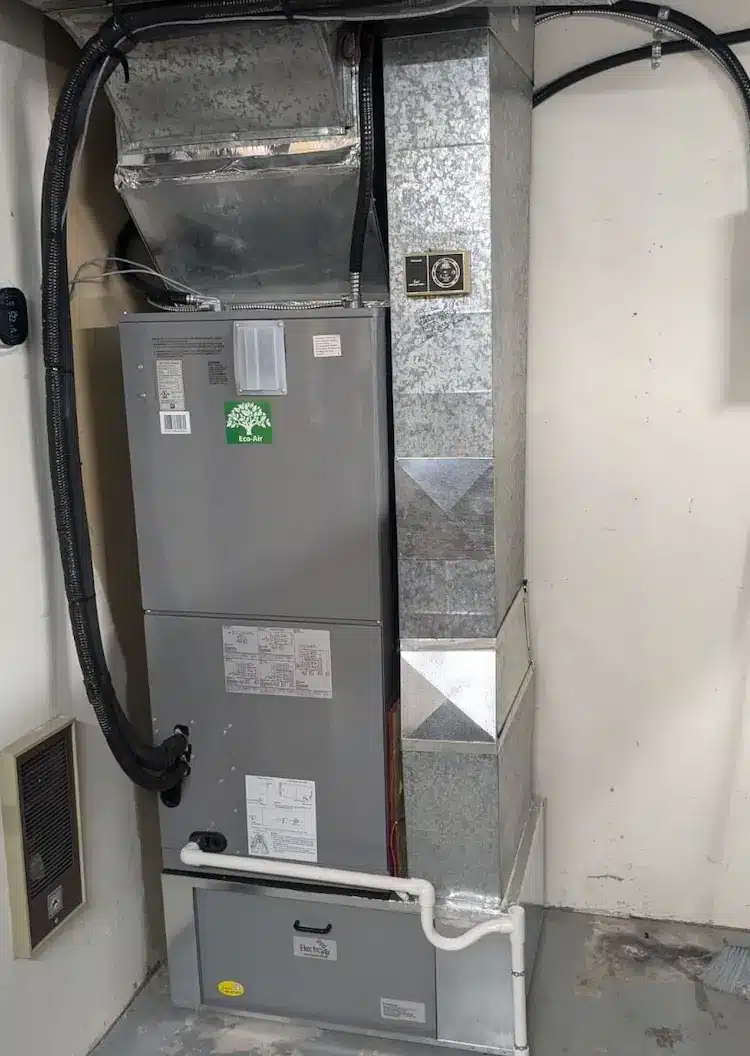
To switch from an AC to a heat pump, you need to replace both the indoor and outdoor units. This ensures compatibility between the new heat pump technology and the existing heating system. The indoor air handler must be designed to work with the reversing valve in the outdoor unit, which allows the heat pump to switch between cooling and heating modes.
will a heat pump replace my furnace?
No, not if you live in Ontario.
While heat pumps eliminate the need for a separate air conditioner, homeowners in Ontario will still need a backup heating source.
The key difference is that heat pumps can work effectively in all but the most extreme temperatures, meaning you can choose when your backup system kicks in. This should help with long-term wear and tear on your furnace. Also, you have the flexibility to choose the ideal temperature point for the backup heating system to kick in to further help save on utility costs.
what kind of heat pumps are there?
There are two main types of heat pump systems – ducted and ductless.
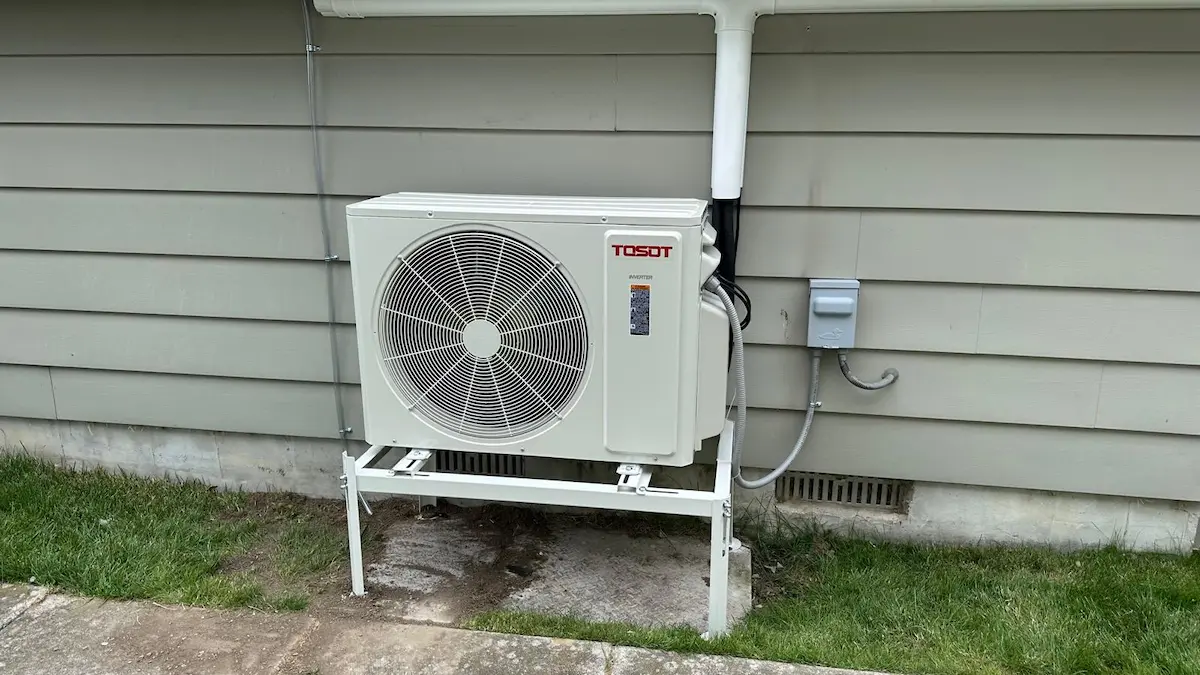
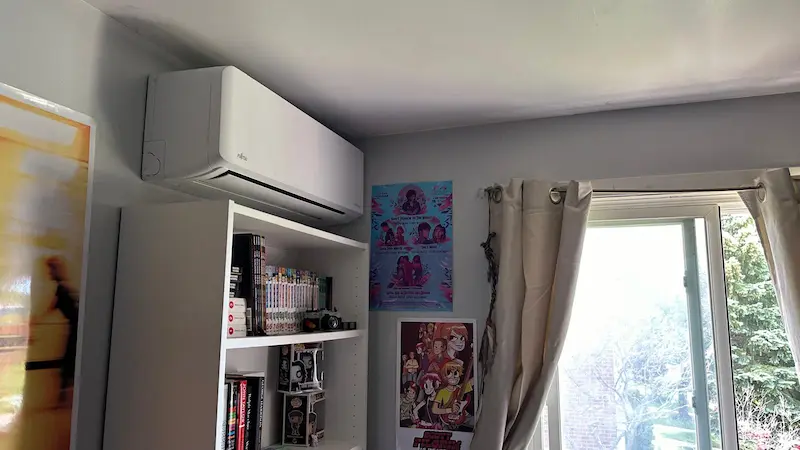
Ducted heat pumps use existing ductwork to distribute conditioned air throughout the home, making them ideal for houses with established air distribution systems. Ductless heat pumps, also known as mini-splits, don’t require ductwork and offer more flexibility in installation and zoning options.
The decision between ducted and ductless heat pumps often comes down to budget and existing home infrastructure. Ductless systems typically have lower installation costs, especially in homes without pre-existing ductwork. However, ducted systems may be more cost-effective for larger homes or those with multiple rooms requiring climate control.
Both types of heat pumps contribute to fighting climate change by reducing reliance on fossil fuels for heating and cooling. The heat exchanger in these systems efficiently transfers heat between indoor and outdoor air, minimizing energy waste. This efficiency often translates to lower utility bills, offsetting the initial expense of installation over time.
Learn more about the differences in our article – Ducted vs Ductless Heat Pump Systems – Top 8 Questions Answered for Ontario Homeowners
is my home a good candidate for a heat pump?
While the vast majority of homes are suitable to make the switch from an AC unit to a heat pump system, there are of course some best case scenarios.
For example, the following types of scenarios are ideal for heat pump installations:
- Homes with well-maintained ductwork
- Properties with adequate insulation
- Areas with access to clean electricity sources
- Locations where noise reduction is a priority
However, even if your home does not fall into any of those categories, your home is still likely a good candidate to switch to a heat pump system and you can take advantage of all of the benefits they provide.
You can use the link below to set up a free quote with one of our experienced heat pump technicians who can help determine the right size and fit for your home.