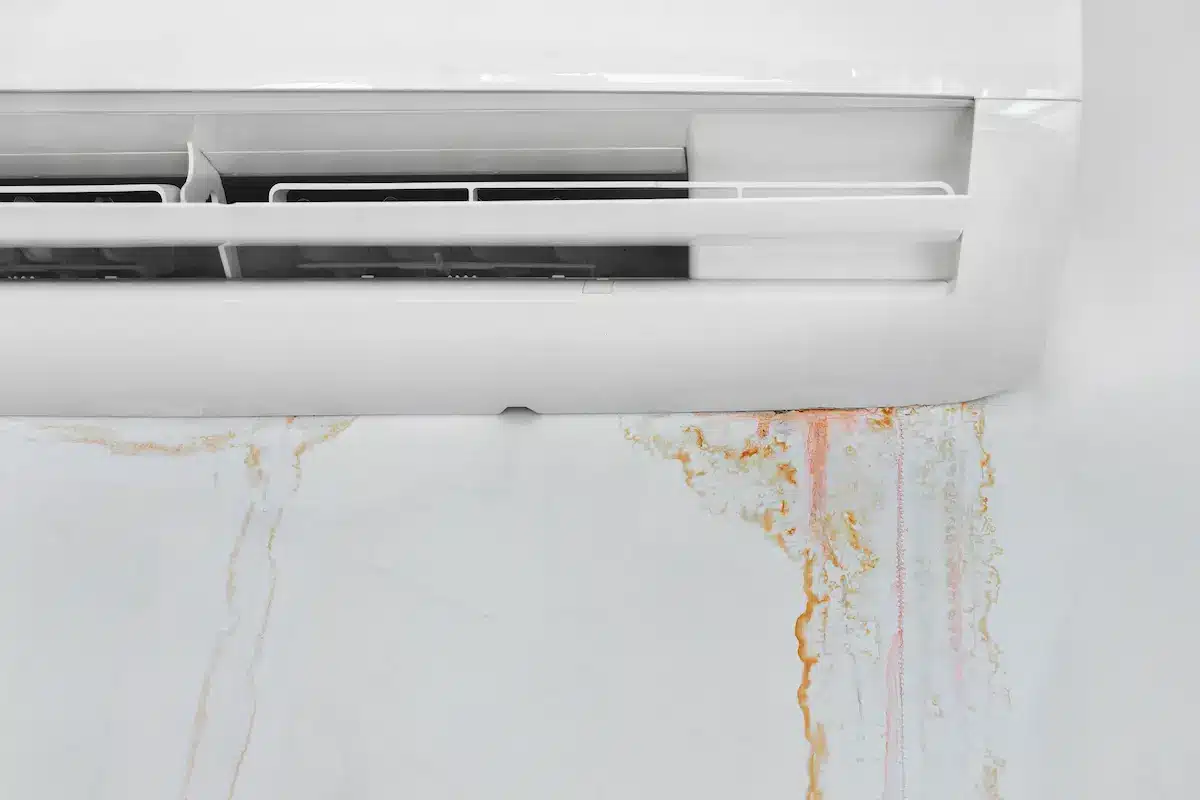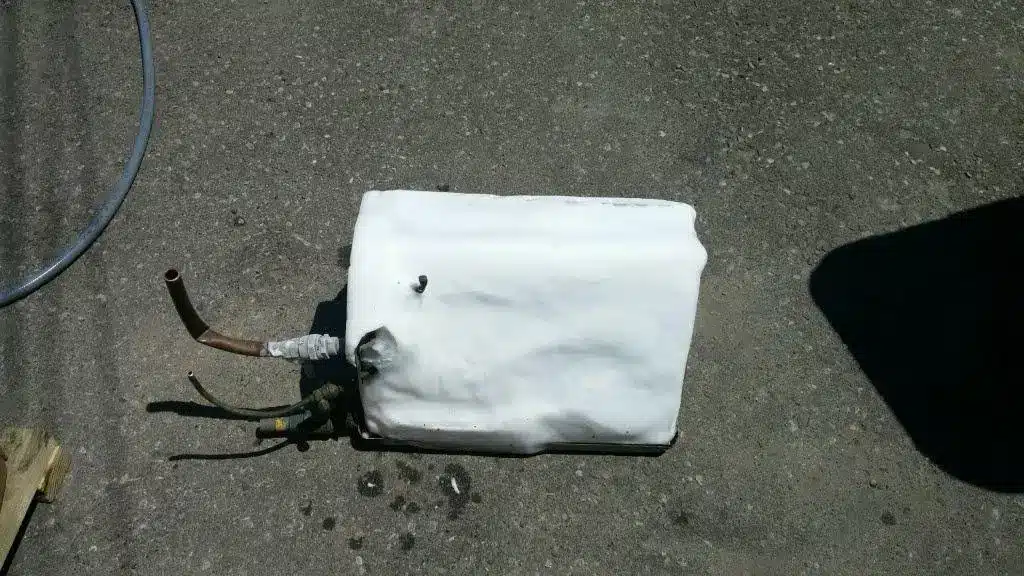
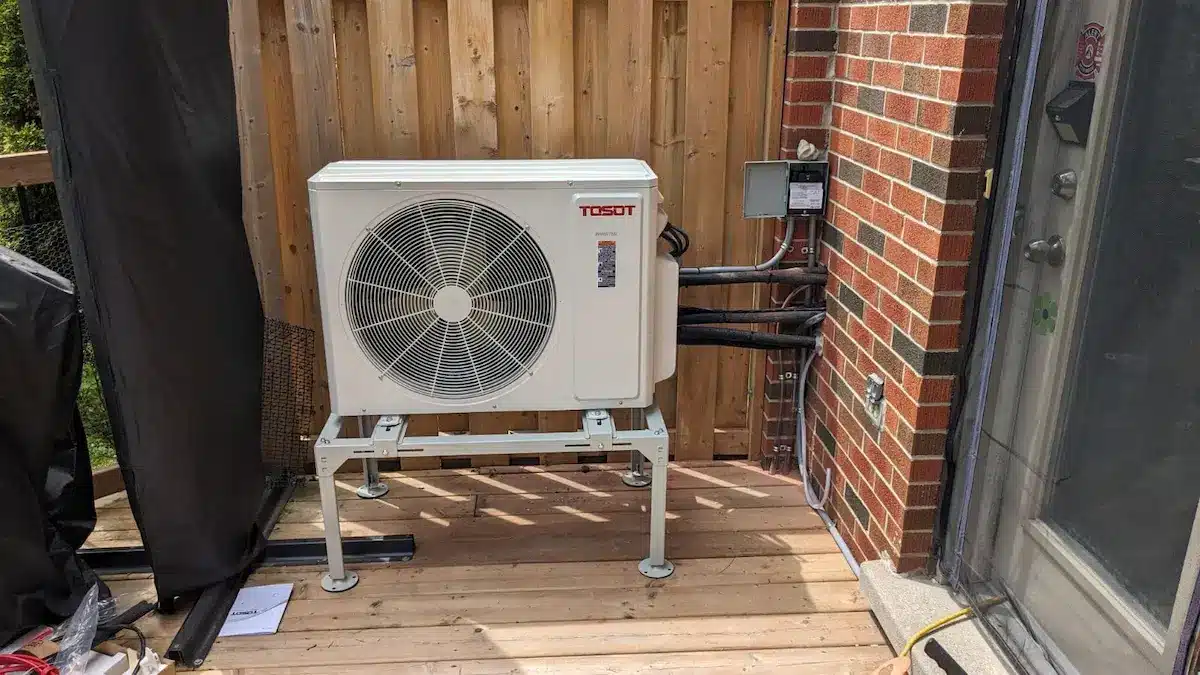
Heat pumps are becoming increasingly popular in Ontario, and for good reason. Unlike traditional heating systems that burn fuel to create warmth, heat pumps simply move heat from one place to another. This makes them both energy-efficient and environmentally friendly.
In the winter, they can keep your home warm without relying on natural gas or oil. Come summer, the same device can cool your house, effectively replacing your air conditioner.
But how long does a heat pump last in Ontario? Let’s take a closer look at the different types of heat pumps and the factors that can affect their lifespan.
How Heat Pumps Work
Before we jump into everything, I want to quickly break down how heat pumps actually work. To understand heat pumps, it’s helpful to know that even when it feels cold outside, there’s still heat in the air. Heat pumps are designed to capture this heat and bring it into your home.
Here’s a breakdown of how they operate in different seasons:
Winter Operation
When it’s cold outside, a heat pump works like this:
- The outdoor unit contains a special fluid called refrigerant. This fluid can absorb heat from the air, even at low temperatures.
- As the refrigerant absorbs heat, it turns from a liquid into a gas.
- The gas is then compressed, which increases its temperature even more.
- This hot gas is pumped into your home, where it releases its heat through indoor coils.
- Fans blow across these coils, spreading warm air throughout your house.
- As the gas cools, it turns back into a liquid and returns to the outdoor unit to start the process again.
Summer Operation
In the summer, the process reverses:
- The indoor unit absorbs heat from inside your home.
- This heat is transferred to the outdoor unit.
- The outdoor unit releases the heat outside, effectively cooling your home.
This ability to reverse the flow of heat makes heat pumps incredibly versatile. With just one system, you can keep your home comfortable all year long.
Types of Heat Pumps
Ok, let’s get into the different types of heat pumps now. There are several types and each has its own advantages:
- Air-source heat pumps: These are the most common. They transfer heat between your house and the outside air.
- Geothermal (ground-source) heat pumps: These use the constant temperature of the earth to heat and cool your home. They’re very efficient but cost more to install. You’d typically find these in rural properties.
- Air-to-water heat pumps: These types of heat pumps heat water inside the home. They can be used in older homes that have radiant heating systems. They do also provide cooling in the summer.
- Ductless mini-splits: These are a type of air-source heat pump that doesn’t require ductwork. They’re great for heating or cooling individual rooms.
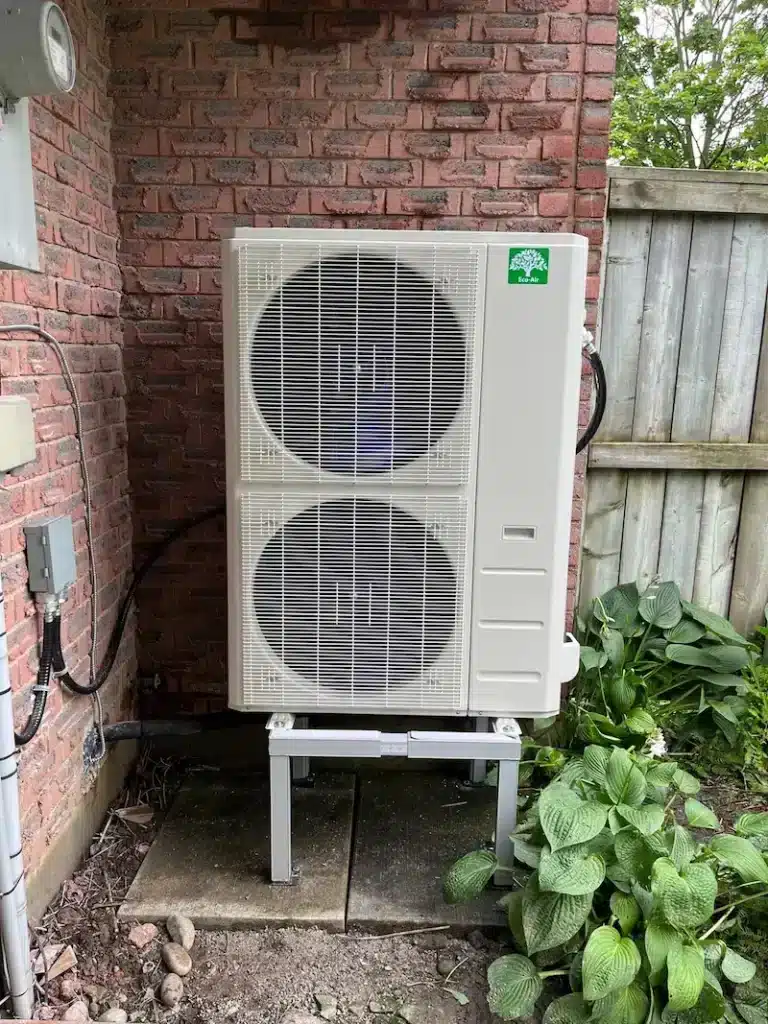
In Ontario, air-source heat pumps are the most common choice due to their balance of efficiency and installation cost. However, where ductwork is not as accessible or non-existent, ductless mini-splits become the ideal option. Finally, in older homes with radiant heating, air-to-water heat pumps are a solid choice as you do not have to make as many modifications to the home.
Keep in mind that in Ontario it’s important to have a backup heating system in place, usually referred to as a “hybrid system”. This means that you will still have a furnace (either natural gas or electric) to handle the most extreme cold days of the year.
For a more detailed breakdown on the most common types of heat pumps used in Ontario, check out the following article – Ducted vs Ductless Heat Pumps – Top 8 Questions Answered for Ontario Homeowners
how long does a heat pump last in ontario?
The good news is that heat pumps generally have a long lifespan, but several factors can affect how long they’ll keep running efficiently.
Factors Affecting Heat Pump Lifespan
- Type of Heat Pump: Different types of heat pumps have varying lifespans. We’ll break this down in more detail shortly.
- Maintenance: Regular maintenance is key to extending your heat pump’s life. This includes both professional servicing and simple tasks you can do yourself, like changing filters.
- Usage: How often and how hard your heat pump works affects its lifespan. In Ontario’s climate, your heat pump will likely work harder than in milder regions, which can impact its longevity. Having a backup system in place for extreme temperatures will help balance the usage and extend the life of both systems.
- Installation Quality: Getting your heat pump installed right is super important. A poorly installed system can break down more often and fail sooner. Make sure you choose a reputable installer.
- Quality of Your Heat Pump: Better quality models usually last longer and work more efficiently. They’re often better at handling Ontario’s temperature swings too. It might cost more upfront, but a high-quality heat pump can save you money in the long run.
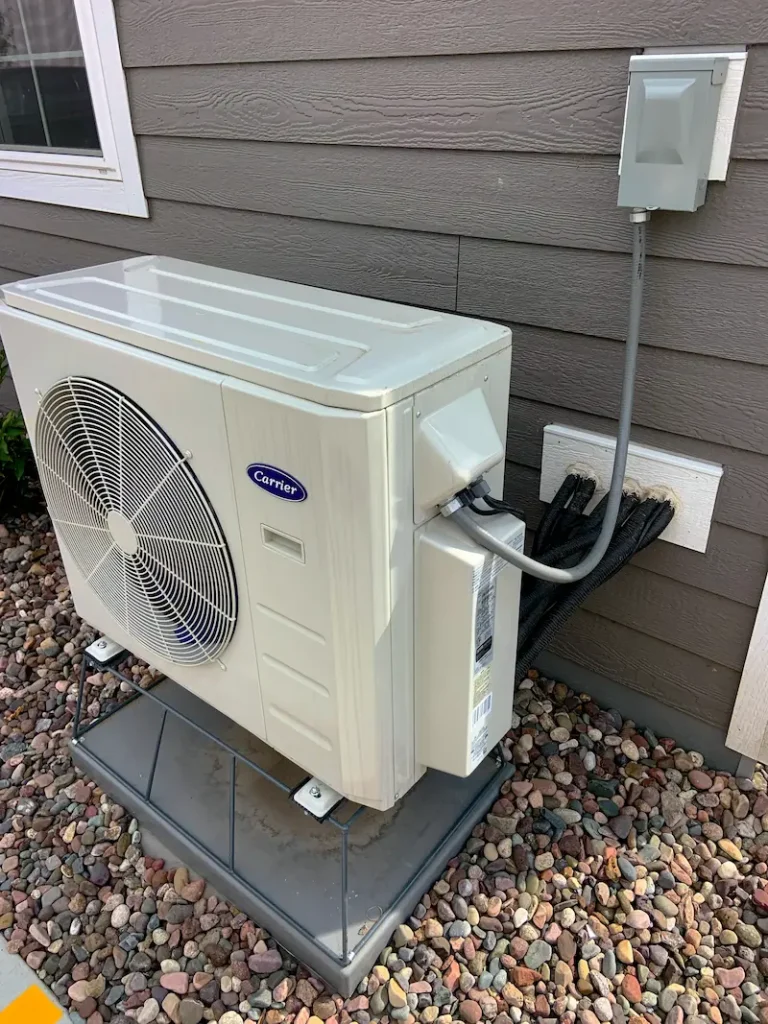
Average Lifespans by Heat Pump Type
Let’s look at how long you can expect different types of heat pumps to last:
- Air-Source Heat Pumps: These are the most common in Ontario. On average, they last about 10-12 years. With excellent maintenance, some might even push 15 years.
- Geothermal Heat Pumps: These are the long-distance runners of the heat pump world. The underground components (called the loop) can last an impressive 50 years or more. The indoor parts typically last about 24 years. While they’re more expensive to install, their longevity can make them a smart investment for many Ontario homeowners.
- Air-to-Water Heat Pumps: The typical lifespan of an air-to-water heat pump ranges from 15 to 20 years, though with proper maintenance some units can last up to 25 years.
- Ductless Mini-Splits: These have a similar lifespan to standard air-source heat pumps, averaging 10-12 years.
- Hybrid Systems: Since we’re in Ontario and we have a backup system in place, the lifespan of the components can be extended. The air-source part will typically last about 12-15 years, while the furnace component might last 15-20 years.
It’s worth noting that these are average lifespans. With proper care and maintenance, your heat pump could last even longer. On the flip side, neglect could shorten its lifespan.
Comparing Heat Pump Lifespan to Traditional HVAC Systems
To put these numbers in perspective, let’s compare heat pump lifespans to traditional heating and cooling systems:
- Air Conditioners: Typically last 10-15 years, similar to air-source heat pumps.
- Furnaces: Often last 15-20 years, slightly longer than air-source heat pumps.
However, there are important differences to consider especially when you’re comparing heat pumps to air conditioners. Check out our article on why you might want to consider switching to a heat pump over a traditional AC system.
Maximizing Heat Pump Life Expectancy
Now that you understand how long heat pumps typically last, let’s explore how you can help your heat pump reach (or even exceed) its expected lifespan.
Professional Maintenance
One of the best ways to extend your heat pump’s life is through regular professional maintenance. Ideally, you should have a qualified technician service your heat pump twice a year – once before the heating season and once before the cooling season. During these check-ups, a technician will:
- Check and clean the system for obstructions and dirt
- Find and fix any leaky ducts
- Check for refrigerant leaks and ensure the refrigerant charge is optimal
- Inspect, clean, and repair electrical terminals
- Check belts and motors for wear and tear
- Verify that your thermostat is working correctly
These professional check-ups can catch small issues before they become big problems, potentially saving you from costly repairs or premature replacement.

DIY Maintenance Tips
While professional maintenance is crucial, there are several things you can do yourself to keep your heat pump running smoothly.
- Replace or clean filters monthly: This simple task can significantly improve your heat pump’s efficiency and lifespan. Dirty filters make your system work harder, increasing wear and tear.
- Keep the outdoor unit clean: Remove leaves, dirt, and debris from around your outdoor unit. In winter, make sure it’s not blocked by snow or ice.
- Set your fan to “Auto”: Using the “Auto” setting instead of “On” reduces wear on your system and saves energy.
- Clean indoor registers: Keep your vents and registers clean and unobstructed to ensure good airflow.
- Monitor performance: Pay attention to how your system is working. If you notice any unusual noises, reduced airflow, or inconsistent temperatures, call a professional.
The Importance of Insulation
A well-insulated home means your heat pump doesn’t have to work as hard to maintain comfortable temperatures. This reduced workload can significantly extend its life.
Consider these insulation tips:
- Seal air leaks around windows and doors
- Ensure your attic is properly insulated
- Consider upgrading to energy-efficient windows
- Use curtains or blinds to help manage indoor temperatures
There are some rebates and incentives offered for home improvements. You can check out current eligibility of the Canada Greener Homes Initiative and the Enbridge Home Efficiency Rebate Plus program.
making the right choice
Remember, the key to getting the most out of your heat pump is choosing the right type for your home, ensuring proper installation, and maintaining it regularly. With the right care, your heat pump can provide reliable comfort for well over a decade, all while helping you save on energy bills and reduce your carbon footprint.
Every home in Ontario has unique needs when it comes to heating and cooling. Your location, home size, and personal preferences all play a role in determining the best system for you. That’s why it’s crucial to get expert advice before making a decision.
Ready to explore if a heat pump is right for your home? Use the link below to contact us for a free, personalized assessment. We’ll help you navigate the options, understand the costs, and choose a system that will keep you comfortable for years to come.