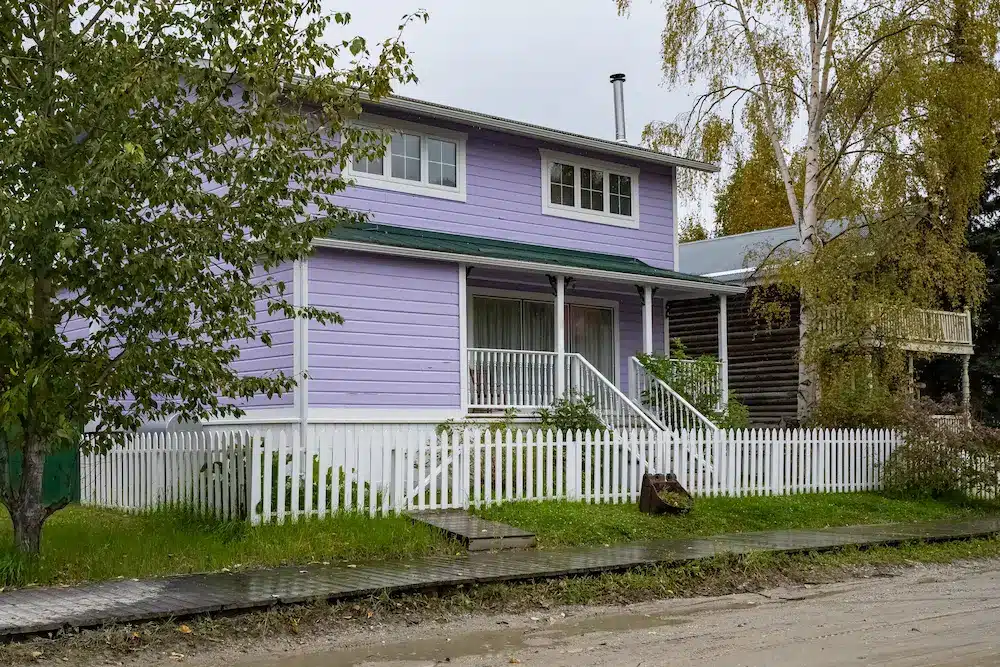
If you own an older home, you might be wondering if your attic, ducts, and insulation can handle modern heat pump technology. These systems can heat your home in the winter and cool it in the summer while cutting down on your energy bills and reducing your carbon footprint.
The short answer is yes.
However, you need to understand not only if it’s possible to install a heat pump in an old house, but if it’s worth it to install one in yours.
The 3 most important considerations
Sizing Your System
Getting the size right is key when installing a heat pump in an old house. If the system is too big or too small, it won’t work efficiently and will cost more to run. It’s incredibly important to have a professional help figure out the right size for your home.
Determining the Right Type of System
Choosing the right type of system matters, too. Older homes are typically better suited for ductless heat pump systems, but if you have upgraded your home and have the proper ductwork than a ducted system is likely the better fit.
Have your system professionally installed
Installation expertise is absolutely crucial. You need a professional to ensure, for example, proper placement of any indoor and outdoor units and the correct amount of refrigerant charging to ensure your system works properly.
Professional installers can also make recommendations to help you understand if you need to make any modifications or upgrades to fit the new system.
What Could Prevent You from Installing a Heat Pump in an Old House?
Installing a heat pump in an old house can be complicated. There are two main challenges to consider – poor insulation and unsuitable existing equipment.
Poor Insulation
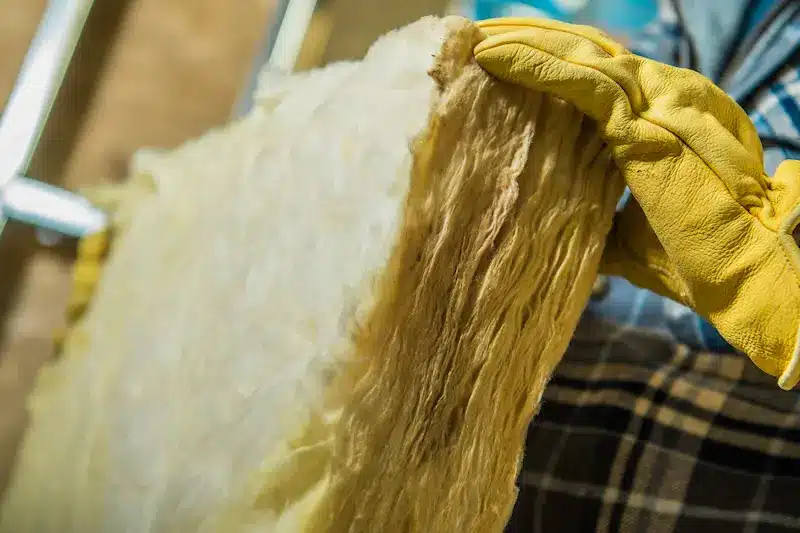
Older houses with poor insulation can make heat pumps less effective. Heat pumps use electricity instead of fuels like oil, and they work best in well-insulated homes. In poorly insulated houses, heat easily escapes through walls, attics, and windows. This means the heat pump has to work harder and use more electricity to keep the house warm or cool.
It’s a good idea to improve the insulation before putting in a heat pump. Better insulation helps the heat pump work more efficiently. This is because the heat pump can transfer heat between the inside and outside of the house more easily. As a result, the heat pump uses less energy, which can lower your electricity bills.
unsuitable existing equipment
Older houses often don’t have the right systems in place for modern heat pumps. If a home doesn’t have central heating or air ducts, it might need big changes to fit a new heat pump system. This can be especially tricky in basements or crawl spaces.
However, there is a good alternative: ductless systems. These “mini-split” heat pumps don’t need air ducts, making them a great choice for older homes. They’re easier to install and can work well in different parts of the house.
Need help from the pros?
If you're reading this post and have questions then reach out to get them answered by our family-owned and operated team. We can answer your questions and arrange a free, no-obligation quote at any time.
How to Install a Heat Pump in an Old House
Installing a heat pump in an old house requires careful planning and execution. Let’s look at the key points to keep in mind before you decide to make the switch.
Find a Heat Pump that Fits
Choosing the right heat pump for an old house takes careful planning. You need to think about the space you have and the weather we have in Ontario. The heat pump should be able to control both temperature and humidity well. It’s also important to get a heat pump that’s the right size for your home’s heating and cooling needs.
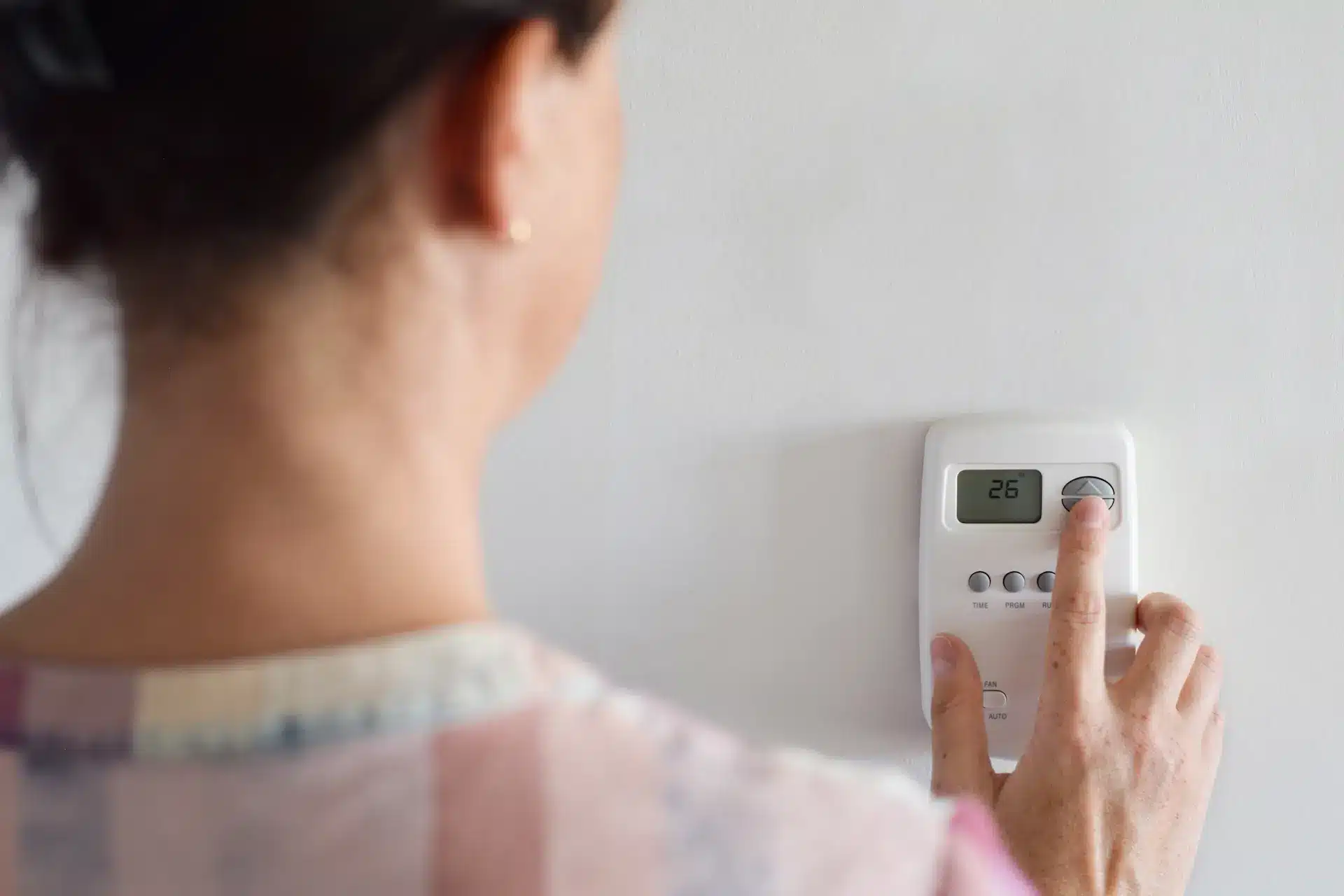
Also, many new heat pump systems come with smart thermostats. These let you control your home’s temperature more precisely and save energy. You can adjust these systems from your phone which is convenient and helps you use energy more efficiently.
Upgrade the Ductwork?
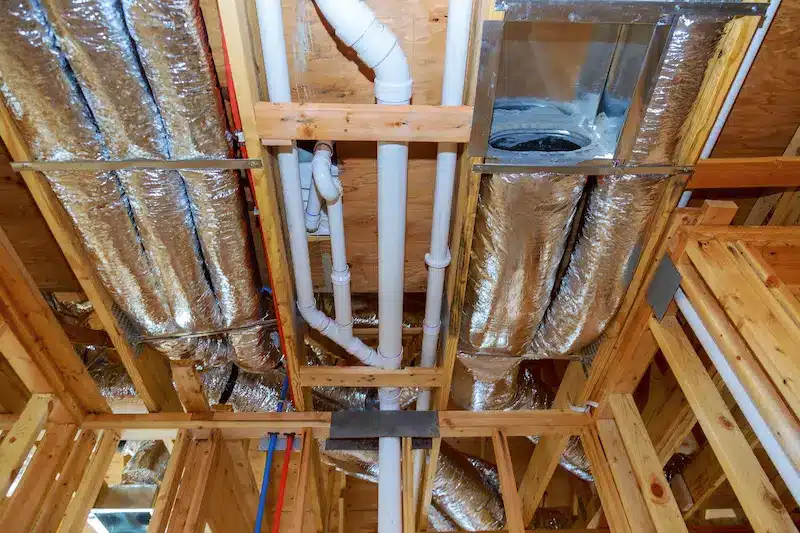
When installing a heat pump in an old house, you should consider improving your ductwork. This might mean replacing old or broken ducts. By doing so, your heat pump will work better. How much this costs depends on how big your house is and what kind of ducts you already have.
Some homeowners choose to use ductless systems instead. These don’t need air ducts at all. Other options include underfloor heating or systems that use hot water (called hydronics). These can be good choices if your house doesn’t have much space in the roof or walls for regular ducts.
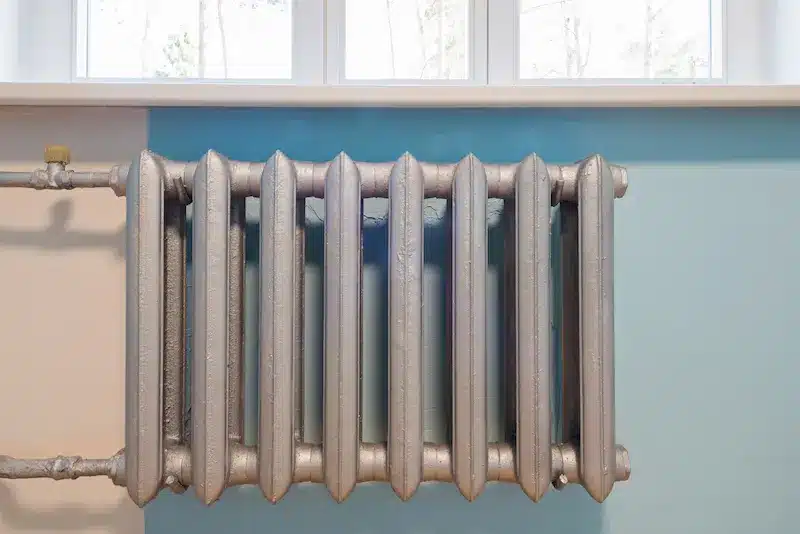
If you’re replacing an old heating system that used a water tank, you’ll need to plan carefully. You’ll have to figure out how to connect the new heat pump to the pipes and radiators that are already in your house.
Improve Insulation if Necessary
When you’re installing a heat pump in an old house, it’s really important to improve the insulation. Better insulation helps the heat pump work more efficiently. This means the heat pump doesn’t have to work as hard, so it uses less energy.
It’s a good idea for homeowners to learn about different types of insulation. Some insulation even works well with solar energy systems. Good insulation doesn’t just help the heat pump work better, it also makes your home more comfortable to live in and can significantly help lower your energy bills.
Combine with a Backup Heat Source
In old houses, especially in cold climates like the Greater Toronto Area, it’s important to use a heat pump along with a backup heating system. This combination is called a hybrid system.
Heat pumps can work effectively in all but the most extreme temperatures, meaning you can choose when your backup system kicks in. This should help with long-term wear and tear on your furnace. Also, you have the flexibility to choose the ideal temperature point for the backup heating system to kick in to further help save on utility costs.
Eligible Retrofit Rebates in Ontario
While the federal rebate for new heat pump systems ended in early 2024, there are still other eligible retrofit rebates in Ontario that can help with the installation of a new system.
For example, there are currently grants available for both Home Insulation (up to $5000) and Air-Sealing (up to $1000) under the Canada Greener Homes Grant.
If you’re close to deciding on a new heat pump system, make sure to contact us to confirm if these programs are still eligible.
other Concerns When You Install a Heat Pump in an Old House
There are a few more questions homeowners typically have when they’re thinking about installing a heat pump in an old house. Let’s take a look at a few of the most common concerns.
Is It Possible to Operate Radiators with a Heat Pump?
Yes.
You can use a heat pump with radiators, but you need to plan carefully when updating your heating system. This combination can make the air in your home cleaner and be better for the environment.
How well this setup works depends on a few things. The power of the heat pump (measured in watts) and how big your radiators are both matter. To get the best performance and save the most energy, you need the right tools and knowledge.
Are There Any Potential Moisture Issues?
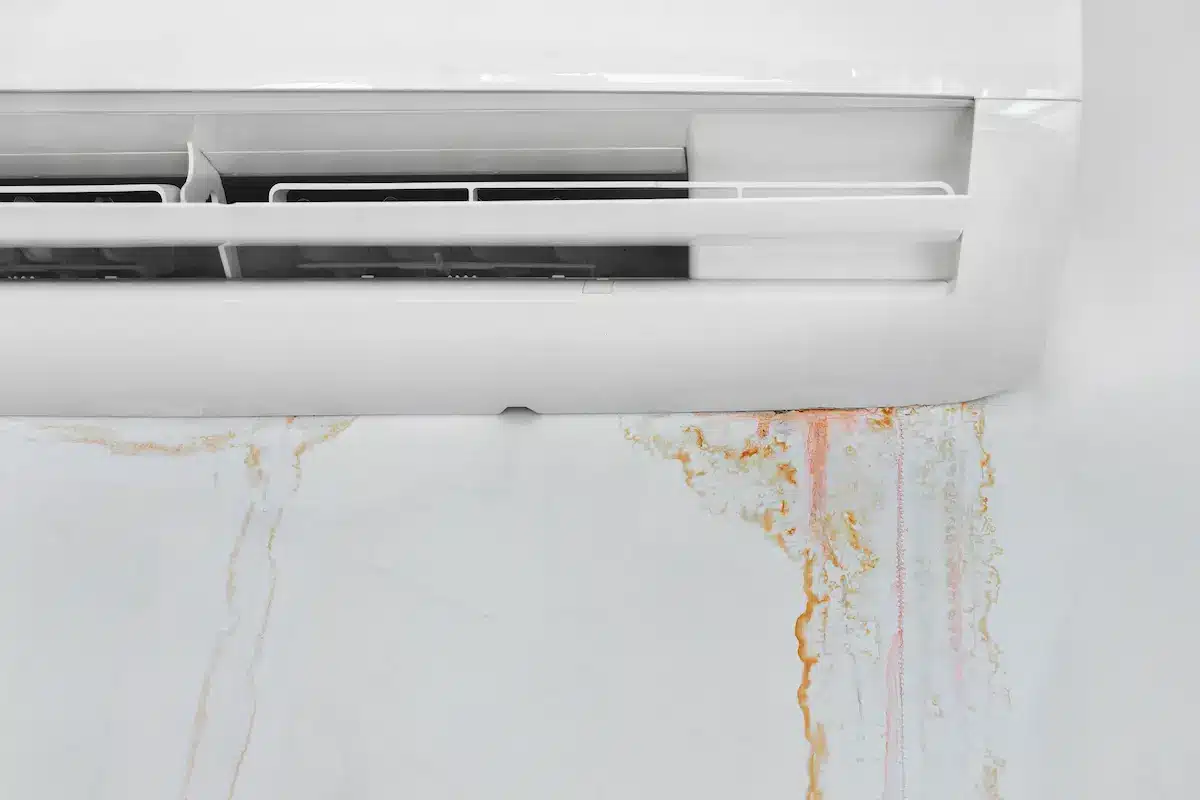
When you install a heat pump in an old house, you need to be careful about moisture problems. The part of the heat pump that moves air around your home (called the air handler) might add too much moisture if it’s not the right size or if your air ducts aren’t good enough. This is especially important in places with lots of humidity, like the Greater Toronto Area. Managing moisture well is key to keeping your home comfortable and stopping mold from growing.
To avoid moisture issues, you might want to add a separate system to remove extra moisture (called a dehumidifier) along with your heat pump. Always make sure to check your house for moisture problems before you install a heat pump.
So, is it worth it?
In the GTA, it’s typically worth the investment to switch to a heat pump even in older homes, but you have to determine how much it will cost to modify or upgrade your existing home. This can be hard to estimate without a proper assessment.
If you’re interested in finding out if a heat pump system would be right for your home, then use the link below to set up a free quote with one of our experienced heat pump technicians.